Sulawesi and Halmahera
Saturday 5th July – Saturday 26th July
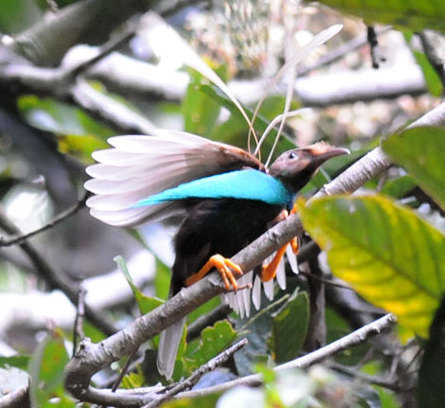 The province of Sulawesi in Indonesia is an oddly-shaped four-legged island lying to the east of Borneo and west of New Guinea. More importantly it is east of the famous Wallace's line, an imaginary boundary between distinct faunal regions and is the largest of the Wallacean islands with an avifauna totally distinct from the Greater Sundas to the west. Sulawesi has the largest number of endemic bird species of any Indonesian island with up to 70 currently recognised. Halmahera is the largest of the Moluccas or fabled Spice Islands and lies just a short distance to the east. It has a totally different avifauna with 24 endemics and has affinities more with the Australasian region and is home to the fabulous Wallace's Standardwing, one of the most bizarre Birds-of-Paradise. This revised itinerary now also includes a new site for Lompobattang Flycatcher. So why not join us on this endemic rich and fun-filled ZOOTHERA tour that will leave you longing to return!
|
|
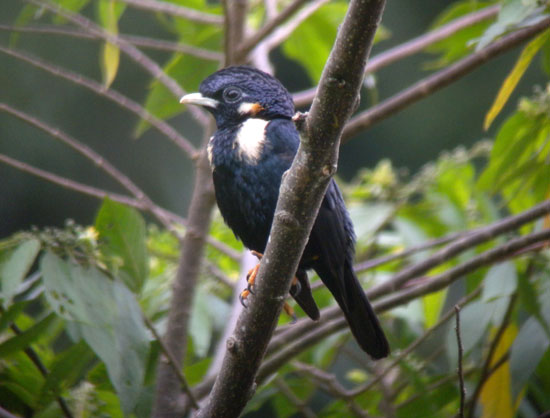
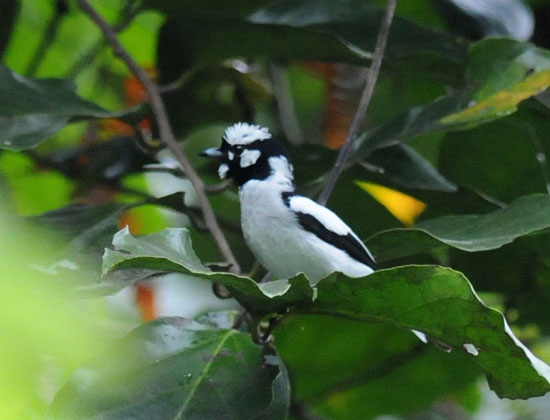
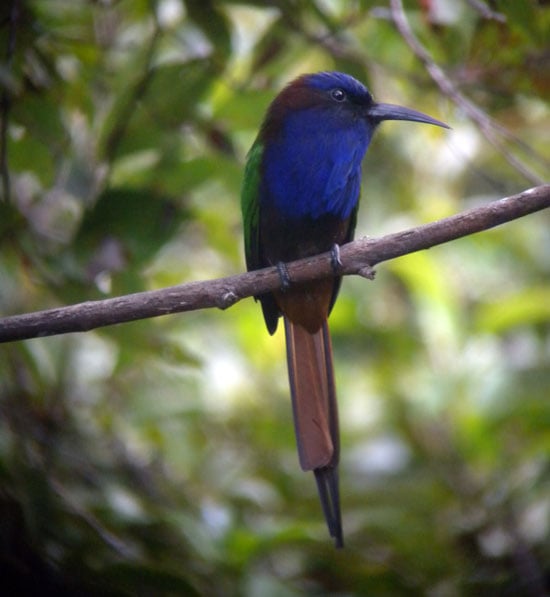 Lore Lindu is not only the largest but undoubtedly the most productive of all the national parks in Sulawesi. There are a diverse range of habitats here from tranquil lowland rainforest to densely forested, rugged mountains up to 2509m, which makes this particular area so rich in birdlife, with a large number of Sulawesi's endemics present. We will concentrate on the upper reaches of the mountains to begin with, where the forest is mostly intact and where we will look for some localised endemics which usually associate in large, mixed flocks. The rather strange Malia is usualy quite conspicuous, along with Sulawesi Leaf-warbler, Caerulean and Pygmy Cuckooshrikes, Sulawesi Drongo and Piping Crow. We'll also search for Citrine and Blue-fronted Flycatchers, Island Verditer, Yellow-vented Whistler, Hylocitrea, Rusty-bellied Fantail, Crimson-crowned Flowerpecker, Mountain White-eye, Streak-headed Dark-eye and possibly Blue-faced Parrotfinch, all of which can be caught up in these roving flocks. We can also find Small Sparrowhawk in these higher areas, along with Yellow-and-Green and Ornate Lorikeets, Ivory-backed Woodswallow, Sulawesi Blue Flycatcher, Scarlet Honeyeater (sometimes treated as a distinct species, Sulawesi Myzomela), Fiery-browed Myna, and Mountain Serin. Patches of lowland forest hold a number of specialities such as Jerdon's Baza, Sulawesi Serpent-eagle, Sulawesi Cicadabird, Sulawesi Triller, Short-tailed Starling, Sulawesi Crested Myna and Lemon-bellied White-eye. On the lower slopes we will also search for Barred Honey-buzzard, the
 incredible Purple-bearded Bee-eater and Golden-mantled Racquet-tail. Flowering and fruiting trees are usually very productive and give us our best chance of seeing both Lesser and Greater Sulawesi Honeyeaters, as well as White-bellied and Grey-headed Imperial-pigeons, Superb and Red-eared Fruit-doves and Brown Cuckoo-dove. Of course we will also look for the secretive, skulking and hard-to-see species such as the shy Sulawesi Mountain Thrush, Great Shortwing and Chestnut-backed Bush-warbler. Other species possible during our stay include Cinnamon Bittern, Platen's Rail, Spot-tailed Goshawk, Spotted Kestrel, Sulawesi Ground-dove, Sulawesi Hawk-cuckoo, Rusty-breasted Cuckoo, Gould's Bronze-cuckoo, Purple Needletail, Moluccan Swiftlet, Sulawesi Pygmy Woodpecker, Knobbed Hornbill, Geomalia, Pygmy Cuckooshrike, Blue-fronted, Island and Rufous-throated Flycatchers, Sulawesi Blue-flycatcher, Mountain Tailorbird, Olive-backed, Black and Crimson Sunbirds, Greater Streaked Honeyeater, Maroon-backed Whistler, Asian Glossy Starling, and both Sulawesi and Fiery-browed Mynas. Night birding can be productive with some real quality species to find such as Sulawesi Scops-owl, Speckled and Cinnabar Boobooks, Sulawesi Masked Owl, and the poorly known Diabolical Nightjar.
 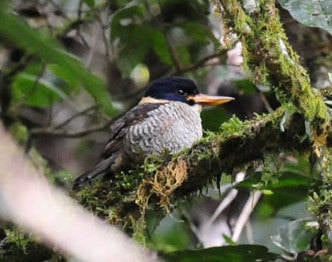 After breakfast we will drive to Kotamobagu for a three night stay, which gives us easy access to the montane forest of Gunung Ambang National Park in search of some of Sulawesi's least known and rarest species. Our primary target is the localised Matinan Flycatcher, which only inhabits the Minahasa Peninsular here in northeast Sulawesi. If we are lucky, then we may have an encounter with the elusive Scaly-breasted Kingfisher, Cinnabar Hawk-owl or the seldom-seen Sombre Pigeon. Other possibilities here include Grey-cheeked Pigeon, Superb Fruit-dove, White-bellied Imperial-pigeon, Yellow-and-green Lorikeet, Purple-bearded Bee-eater, Chestnut-backed Bush-warbler, Citrine Canary-flycatcher, Sulawesi Babbler, Crimson-crowned Flowerpecker, Rusty-flanked Fantail and others. At night we will make a special effort to find Cinnabar Hawk-owl. We will also have an early start to reach the core area of Dumoga Bone National Park. The habitat here is primarily lowland rainforest but is surrounded by mountains with some good montane forest cloaking the lower slopes. Amongst a good selection of species we will look for Rufous Night-heron, Wandering Whistling-duck, Sunda Teal, Comb-crested Jacana, Lesser Fish-eagle, Spotted Harrier, Buff-banded and Barred Rails, White-browed Crake, Yellow-breasted Racquet-tail, White-faced Cuckoo-dove, Sulawesi Ground-dove, Maroon-chinned Fruit-dove, both Large and Small Sulawesi Hanging-parrots, Sulawesi Triller, Green-backed Kingfisher, Pied Cuckooshrike, White-backed Woodswallow and Black-faced Munia amongst others. This is also our last chanceof catching up with Sulawesi Scops-owl and Speckled Boobook as well. In the afternoon we will visit a very special site where Maleo comes down from the hill forest to lay their single eggs in the volcanic soil or to roost around their breeding grounds. Here we may also see Purple-winged Roller, Yellow-billed Malkoha, Ivory-backed Woodswallow, Sulawesi Triller and White-necked Myna, whilst in the evening there are chances for Great-eared and Sulawesi Nightjars.
 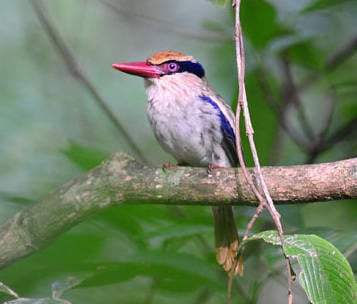 lowland forest remaining intact and we will explore the whole area on foot following a network of trails in search of a number of Sulawesi endemics and specialities. This is THE place to find a number of highly sought-after kingfishers, with Ruddy, Lilac-cheeked, Green-backed and Sulawesi Dwarf Kingfishers all possible. We will need to take a local palmboat into the mangroves to have any chance of the huge Black-billed Kingfisher, and there is also the added bonus of a day-roosting Sulawesi Masked Owl as well. Amongst a large list of very special birds we will search for Isabelline Bush-hen, Sulawesi Hawk-eagle, Sulawesi Black Pigeon, Maroon-chinned and Black-naped Fruit-doves, Grey-cheeked Green-pigeon, White and Silver-tipped Imperial-pigeons, White-faced Cuckoo-dove, Yellow-crested Cockatoo, Yellow-breasted and Golden-mantled Racquet-tails, Ornate Lorikeet, Blue-backed Parrot, Large Sulawesi Hanging-parrot, Black-billed Koel, Bay Coucal, Yellow-billed Malkoha, Purple-winged Roller, Sulawesi Dwarf and Knobbed Hornbills, Ashy Woodpecker, Elegant Pitta, White-
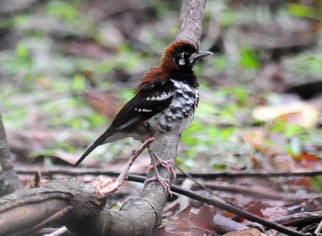 rumped Cuckooshrike, Red-backed Thrush, Pale-blue Monarch, Sulawesi Babbler, Grosbeak Starling, and White-necked Myna. This bird-rich area is also home to a huge variety of more widespread species such as Great-billed Heron, Pacific Reef-egret, Osprey, Brahminy Kite, White-bellied Sea-eagle, Sulawesi Goshawk, Vinous-breasted Sparrowhawk, Tabon Scrubfowl, Black-naped Tern, Azure-rumped Parrot, Pygmy Hanging-parrot, Lesser Coucal, Stephan's Dove, Glossy and Uniform Swiftlets, Grey-rumped Treeswifts, Red-bellied and Hooded Pittas, White-breasted Woodswallow, Pied Cuckooshrike, Cicadabird, Sooty-headed Bulbul, Black-naped Oriole, Plain-throated Sunbird, Hair-crested Drongo, Slender-billed Crow, and both White-necked and Finch-billed Mynas. Once the sun has set we will have the opportunity to search for Sulawesi Nightjar, Ochre-bellied Boobook and Sulawesi Scops-owl. Nights at Tangkoko.
 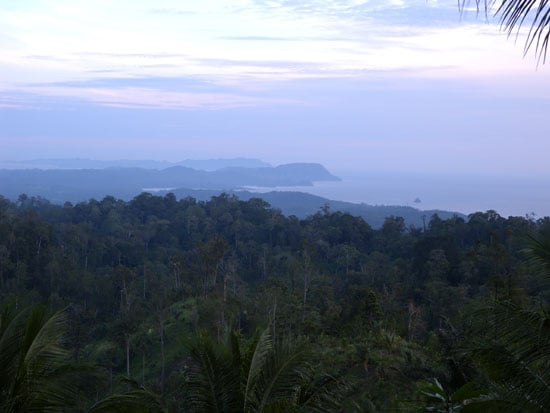 After checking out a site for Yellow-bellied White-eye we will take a flight to the small island of Ternate, which is located just off the west coast of Halmahera. Dominated by a smoking volcano which rises to 1700m, we will jump aboard a speedboat to take us across the bay to Sidangoli in the north of Halmahera. During the short crossing we need to keep our eyes open for a few seabirds which could include Lesser Frigatebird, Brown Booby, Great Crested and Bridled Terns, and sometimes even Bulwer's Petrel. Halmahera is the largest of the famous ‘Spice Islands' and its position far to the east of the Wallace Line means there is a rather Australasian influence to the avifauna. Our base for the next 4 nights will be Sidangoli and we will also spend one night at Tobelo in northern Halmahera as well.
 paradise, Paradise Crow. The rest of our time here will be spent in search of Pacific Baza, Moluccan Goshawk, Variable Goshawk, Gurney's Eagle, Dusky Scrubfowl, Nicobar Pigeon, Blue-capped and Grey-headed Fruit-Doves, Cinnamon-bellied Imperial-pigeon, White Cockatoo, Chattering Lory, Red-flanked Lorikeet, Red-cheeked, Great-billed and Eclectus Parrots, Moluccan Hanging-parrot, Goliath Coucal, Moluccan Scops-owl, Moluccan Hawk-owl, Halmahera Swiftlet, Moustached Treeswift, Blue-and-White, Sombre and Beach Kingfishers, Common Paradise-Kingfisher, Rainbow Bee-eater, Purple Roller, Blyth's Hornbill, Moluccan Cuckoo-shrike, Rufous-bellied Triller, Golden Bulbul, Slaty and Spectacled Monarchs, Shining Flycatcher, Golden and Drab Whistlers, Flame-breasted Flowerpecker, Cream-throated White-eye, White-streaked and Dusky Friarbirds, Halmahera Oriole, and Metallic and Moluccan Starlings amongst others.
 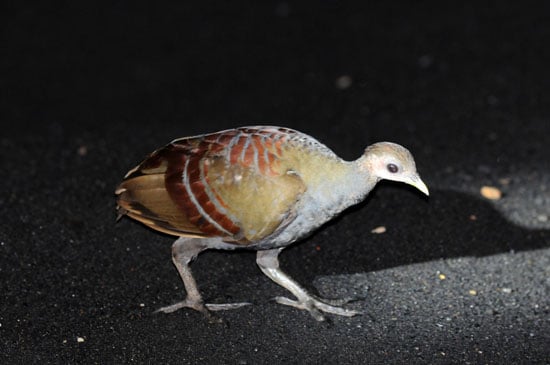 interesting drive and we usually pick up a number of new species along the way, such as Pacific Baza, Pied Imperial-pigeon, Goliath Coucal, Moustached Treeswift and White-bellied Cuckooshrike amongst others. After checking in to our hotel we will visit a nearby beach for our target species, the rare Moluccan Scrubfowl. These globally-threatened and shy birds come to the beach at night to lay their eggs but numbers vary and a certain amount of luck is needed to spotlight one!
 Airfare: £750.00 (Approx) - UK/UK
Zoothera tour prices explained
Group size: Minimum for tour to go ahead 4 and maximum 9 with 2 leaders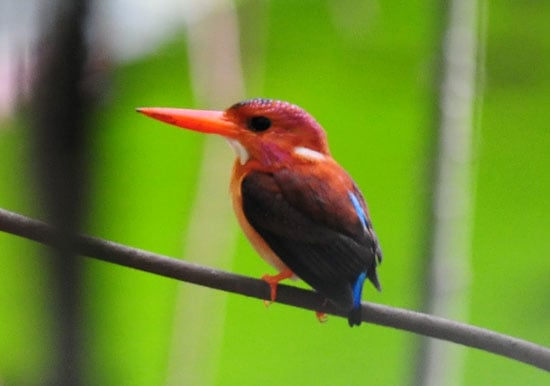
Included in cost: Accommodation in twin rooms mostly en-suite, all meals including picnic lunches where necessary, domestic flights, all entrance fees to National Parks, transport throughout in air-conditioned vehicles, boat trips, and services of leaders.
Not included: International airfare, insurance, visa fee upon arrival, departure taxes, excess luggage charges, drinks, tips and items of a personal nature.
Accommodation: Ranges from good to very good. We will stay in the best available lodge/guest house close to the birding sites we visit to cut-out the necessity of any long drives before reaching the best birding areas each day.
Tour Code: This is a relatively adventurous tour where early starts and several late finishes when owling, 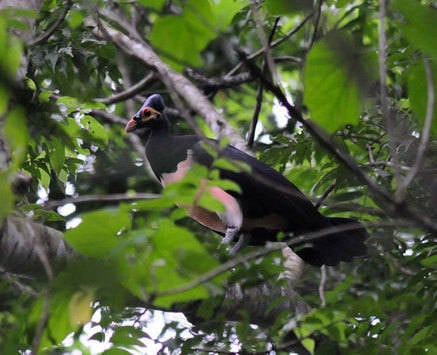 can be expected. Usually there is some time off during the middle of the day to relax. Most of our birding walks will be of a usual slow pace and relatively easy, apart from one excursion at Lore Lindu and when visiting the standardwing lek at Sidangoli. Expect a typically tropical climate with most days being hot and humid, with the montane areas being a little cooler and some rain can be expected.
2011 Tour Gallery. 2011 Tour Report.
Receive our e-newsletter:
Join the Zoothera e-mailing list for up-to-date news on new tours, tour reports and special offers.
Click Here to sign up.

The air holidays and flights shown are ATOL protected by the Civil Aviation Authority.
Our ATOL number is 10436. Please see our Terms and Conditions for more information.
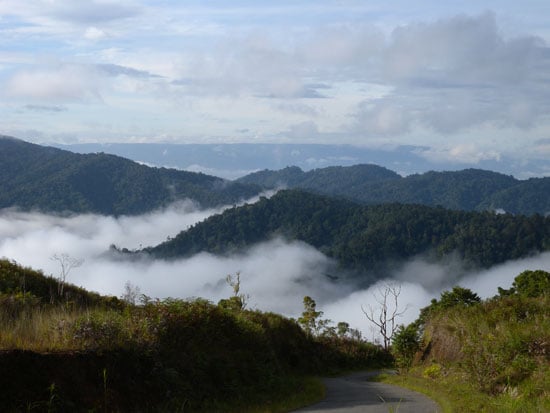
Lore Lindu is a great place to start the tour!